
Our Work
Human connection
Community impact
At Your Wayfinders, we believe that meaningful impact comes from collaboration, clarity, and relationships built on trust. Each case study below shares how we’ve worked alongside our clients to understand their challenges, co-create tailored strategies, and deliver outcomes that strengthen both organizations and the communities they reside in.

Case Study #1
The Challenge
A department within a junior mining company needed to prepare for permitting and future operations of a major project by building internal capacity and discipline. They recognized the importance of integrated communication channels to break down silos and establish clear accountability across roles and responsibilities. Strong financial oversight was also a priority to ensure budgets were effectively managed while fostering a culture of collaboration that could scale with the project
The Solution
Your Wayfinders partnered with Senior Leadership to identify organizational priorities, assess gaps, and design a tailored Project Management Framework. This framework introduced fit-for-purpose tools, standardized SOPs, and clear reporting structures to strengthen accountability and improve decision-making. To ensure lasting adoption, we also integrated a change management approach with targeted training, knowledge-sharing sessions, and feedback mechanisms that kept staff engaged and confident throughout the transition.
The Impact
The tailored Project Management Framework created a consistent structure for how projects are planned, executed, and reported, minimizing errors and reducing duplication of effort. Leadership gained clear visibility into project progress, enabling timely and informed decisions, while staff developed confidence in their roles and responsibilities. The result was stronger cross-department collaboration, tighter budget and schedule control, and a more resilient capacity to take on the demands of permitting and long-term operations.

Case Study #2
The Challenge
A municipality is working to establish a new, shared management approach for its Municipal Forest Reserve in partnership with an Indigenous Group. The reserve is a place of cultural, ecological, and community significance, and past approaches to management have not fully reflected Indigenous governance, values, and knowledge. Both parties have recognized the need for a collaborative framework that moves beyond conventional resource management toward one grounded in trust, shared decision-making, and long-term stewardship.
The Solution
Your Wayfinders is supporting this process by facilitating the co-development of a management framework for the Municipal Forest Reserve. Our role includes creating the structures and processes that enable clear communication, build mutual understanding, and ensure decisions are made collaboratively. This involves working with the partners to identify priorities, align governance approaches, and establish mechanisms for joint planning, monitoring, and accountability for this area. By integrating facilitation, project management, and culturally responsive communications, we are helping to bridge perspectives and create a framework that reflects both municipal requirements and Indigenous stewardship principles.
The Impact
Although the project has been paused due to recent political decisions, the process to date has generated important progress and learning. Early work helped to begin building the conditions for collaboration. While the formal development of the framework is on hold, the experience has also highlighted the importance of trust, transparency, and political alignment in co-management initiatives—lessons that strengthen the capacity of all partners to move forward more effectively in the future.
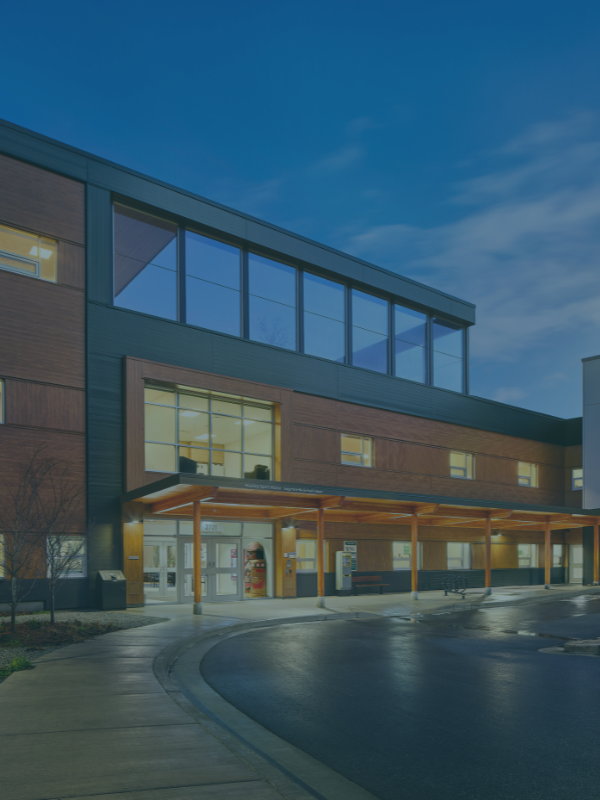
Case Study #3
The Challenge
A Children and Youth Psychiatric Centre faced the complex task of advancing province-wide mental health initiatives for young people. Progress was hindered by limited capacity, fragmented systems, overlapping responsibilities, and persistent operational gaps. At the same time, both staff and leadership were experiencing change fatigue, making it difficult to sustain alignment and momentum toward delivering consistent, high-quality care.
The Solution
Your Wayfinders partnered with Senior Leadership and staff to deliver tailored project management, facilitation, and communications support. We introduced structured governance, clarified accountabilities, and streamlined workflows to reduce duplication and improve coordination across initiatives. To ensure changes were adopted and sustained, we embedded continuous improvement practices and supported staff through intentional communications, engagement, and training.
The Impact
The organization strenghtened it’s ability to deliver complex mental health services more consistently and effectively across the province. Leadership gained clearer visibility into priorities and progress, while staff reported feeling more supported, connected, and confident in their roles. With improved tools, streamlined processes, and integrated change management, the Centre built greater resilience and laid a stronger foundation for expanding services taht provide coordinated, high-quality care to children, youth, and families.

Case Study #4
The Challenge
Several provincial ministries in the north area of British Columbia recognized the need to strengthen collaborative leadership capacity across regional operations. Staff were being asked to navigate increasingly complex natural resource stewardship challenges in partnership with First Nations, interest holders, and the public. However, existing approaches often lacked the cultural grounding, relationship-building focus, and cross-ministry alignment required to make decisions inclusively and effectively. To shift organizational culture and build the skills necessary for long-term reconciliation and stewardship, a new approach to leadership development was needed.
The Solution
Your Wayfinders supported the design, facilitation, and project management of the North Area Collaborative Leadership Program (CLP)—a professional development initiative tailored to foster collaboration and relationship-based leadership. The program, delivered primarily online with some in-person components, provided staff with practical tools and guided learning on communication, collaborative problem-solving, and conflict resolution. Importantly, Indigenous Elders and professionals helped shaped the curriculum, ensuring cultural relevance and grounding the program in principles of respect, reciprocity, and reconciliation.
The Impact
Since its launch, the North Area Collaborative Leadership Program has engaged over 60 staff. Participants report stronger skills in building relationships, communicating across perspectives, and working collaboratively with Indigenous partners on complex stewardship challenges. The program has also fostered greater trust and alignment across ministries, demonstrating the value of shared governance and cross-departmental leadership. By aligning closely with government goals of reconciliation and collaborative natural resource management, the CLP is positioning BC and its partners to work more effectively with First Nations and other interest holders in stewarding land and water for future generations.

Case Study #5
The Challenge
An Indigenous government sought to strengthen its organizational capacity to better support land stewardship decisions and ensure long-term sustainability in governance, operations, and community engagement. With stewardship responsibilities expanding across lands, fisheries, wildlife, culture and heritage, finance, and communications, the organization faced growing demands that required clear systems, skilled staff, and the right infrastructure. Leadership recognized the importance of assessing internal readiness and aligning resources with strategic goals to effectively deliver on stewardship priorities.
The Solution
Your Wayfinders led a comprehensive Capacity Development Project, guiding an Organizational Capacity Assessment (OCA) to evaluate the government’s operational readiness. Working closely with leadership and staff, the project assessed existing structures, roles, and systems while identifying gaps and opportunities for growth. The assessment highlighted departmental needs, ranging from governance and finance to technical expertise in land and resource management. In addition, the project identified priorities for training, professional development, and infrastructure investment to build long-term capacity. By taking a collaborative and strengths-based approach, the process aligned organizational improvements with stewardship goals and community aspirations.
The Impact
The Capacity Development Project provided a clear picture of organizational readiness and practical pathways to strengthen internal capacity. Departments gained clarity on roles and priorities, enabling more effective support for decision-making, operations, and community engagement. The assessment also laid the groundwork for targeted training and professional development, ensuring staff could continue to grow alongside organizational needs. By connecting operational capacity with stewardship goals, the project positioned the government to expand its role in managing lands and resources, while fostering stronger accountability and resilience across its functions.